Introducing our new visual identity
Discover our new visual identity, a redesign that celebrates 80 years of history with a more contemporary, versatile and authentic image that remains true to our origins.



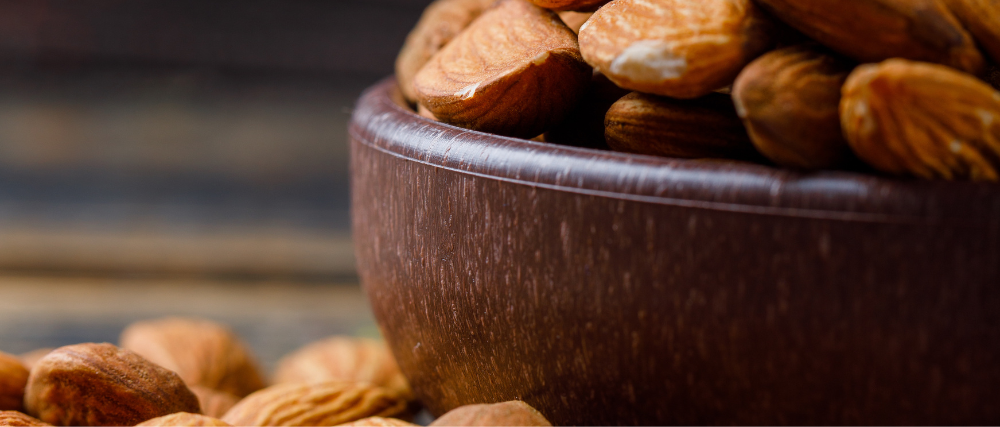
Almonds have become an outstanding example of circular economy. Traditionally, the edible kernel has been the protagonist of industrial use, but in recent years almond shells have begun to gain prominence in different sectors as a by-product with enormous potential for reuse.
This trend responds not only to a need for economic optimisation, but also to the need to reduce waste, minimise the carbon footprint and adopt more sustainable production practices.
The shell represents a significant fraction of the weight of the kernel. Its lignocellulosic composition makes it ideal for conversion into biomass, as many facilities use it as a source of thermal energy to replace fossil fuels.
Almond shells are also used for other purposes. As an agricultural substrate, for example, it is often used as animal bedding, soil mulch or in compost.
In the materials industry, crushed almond shells can also be used in ecological chipboards and insulating materials, as well as fillers in sustainable construction products.

The almond skin, also called the tegument, is an important source of phenolic compounds, tannins and fibre. Long discarded as waste, it is now recognised as a valuable functional ingredient.
It is currently incorporated in products such as enriched flours, energy bars and food supplements. It is also being investigated for use as a natural preservative in the food industry due to its ability to inhibit oxidation in fats.
The use of almond shells represents a perfect synergy between sustainability, innovation and profitability.
Utilising the different parts of the almond and the waste generated in production, thus converting them into valuable new raw materials, is a step forward for the industry.
Discover our new visual identity, a redesign that celebrates 80 years of history with a more contemporary, versatile and authentic image that remains true to our origins.