

quality is

a quality almond is our reason for being.
this premise has been with us since 1946, guiding our trajectory and declaring our vision for the future.
quality lovers
The pursuit of excellence and continuous improvement, founded on the highest quality almonds, make Manolet Almonds an international benchmark.

quality and food safety
food safety is a priority and a commitment to our customers and the consumer.
certifications
Our commitment to quality is reflected in the quality seals and certifications we have obtained and renew annually.
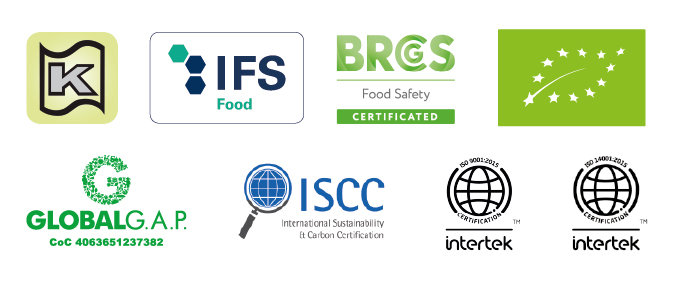
Kosher
The Kosher food certification is a religious seal that guarantees everything from the product’s composition and ingredients to the transformation processes.
IFS Food
International quality and product safety standards. It is a seal designed to provide consumers with peace of mind regarding food safety and supplier transparency.
GLOBAL G.A.P.
Global G.A.P. is the most important certification for good agricultural practices, traceability, and food safety of products in the agricultural and livestock sector.
These practices focus on environmental care, protecting consumer health, and the safety and well‑being of workers.
ISO 9001
This standard establishes the requirements for a system that helps organizations improve their performance, meet customer expectations, and comply with regulations, focusing on continuous improvement and customer satisfaction.
Its objective is to provide a framework for effective processes that guarantee consistent, high-quality products and services, reducing errors and costs.
BRC
A set of standards from British retailers focused on consumer protection, reducing production costs, and curbing price inflation.
EU Organic Farming
This seal certifies compliance with strict conditions for the production, processing, transportation, and storage of food products.
ISCC
ISCC certification authorizes us to use almond shells discarded during production as certified biomass, reinforcing our commitment to reducing our carbon footprint.
That resulting biomass offers the opportunity not only to reduce energy costs, but also to achieve energy stability while ensuring a lower environmental impact than other types of fuel.
ISO 14001
ISO 14001 provides a framework for any organization to control its environmental impacts, comply with legal requirements, continuously improve its performance, and achieve a balance between its environmental and socioeconomic objectives.
This is achieved through risk and opportunity management, waste reduction, and efficient use of resources.
quality, sustainability, transparency and organic production are just some of the characteristics that define our products.