Regenerative agriculture in the almond sector
In recent years, a model has emerged that goes beyond sustainability in the almond sector: regenerative agriculture.


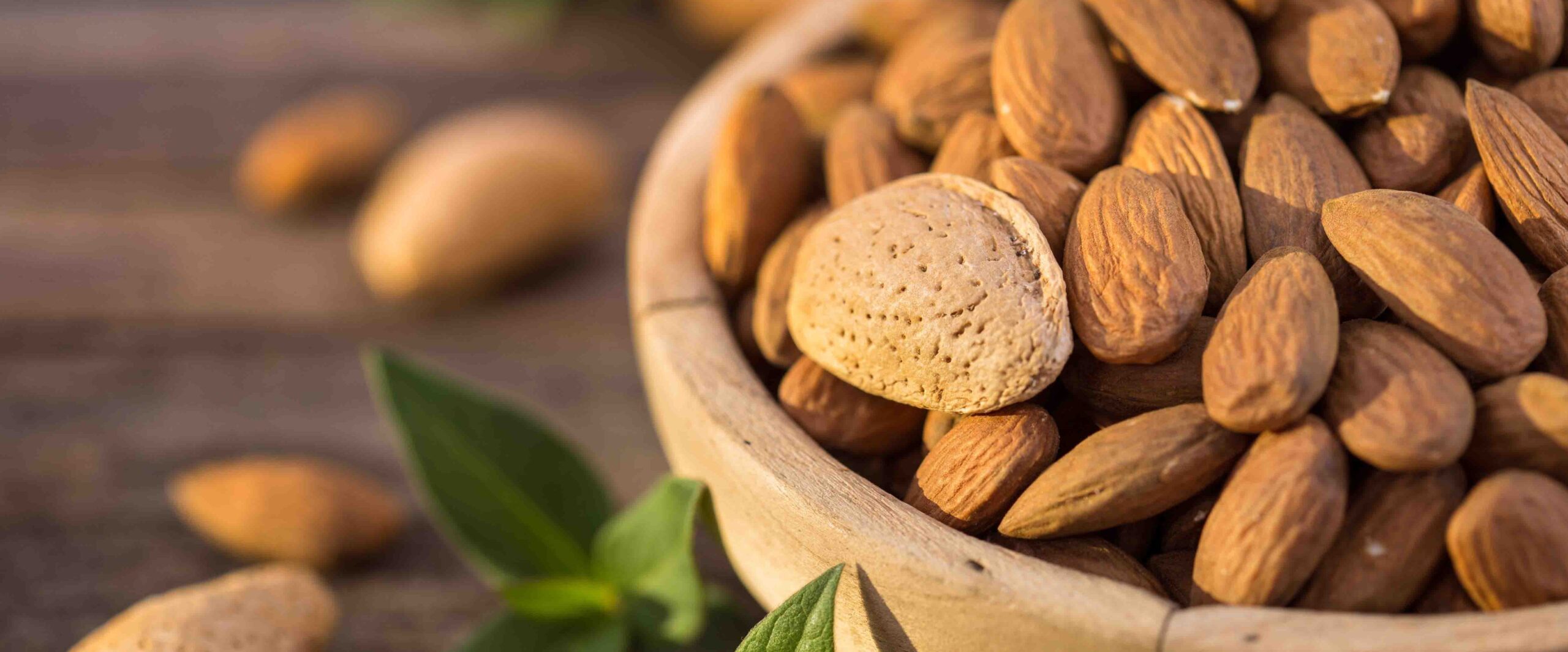
Almonds are one of the most nutritionally complete nuts, offering numerous nutritional benefits.
Its combination of healthy fats, plant proteins, fiber, vitamins, and minerals makes it an essential food in a balanced diet.
Regular consumption of almonds contributes to better cardiovascular health and the prevention of coronary heart disease.
The fats present in almonds are mainly monounsaturated, similar to those in olive oil. This type of fat helps reduce LDL cholesterol (“bad” cholesterol) and maintain stable levels of HDL cholesterol (“good” cholesterol).
As a result, regular consumption of almonds contributes to better cardiovascular health and the prevention of coronary heart disease.
Almonds are naturally cholesterol-free and rich in vitamin E, a powerful antioxidant that protects cells from oxidative damage and promotes healthy skin and tissues.
Almonds are an excellent source of plant-based protein, making them an ideal choice for vegetarian diets or for those seeking sustainable alternatives to animal protein. They also provide dietary fiber, which improves digestion, helps maintain satiety, and promotes weight control.
Its minerals include magnesium, calcium, and phosphorus, which are essential for maintaining strong bones and muscles and ensuring proper functioning of the nervous system.
Thanks to their high vitamin E and antioxidant content, almonds help keep skin hydrated, supple, and protected against premature aging.
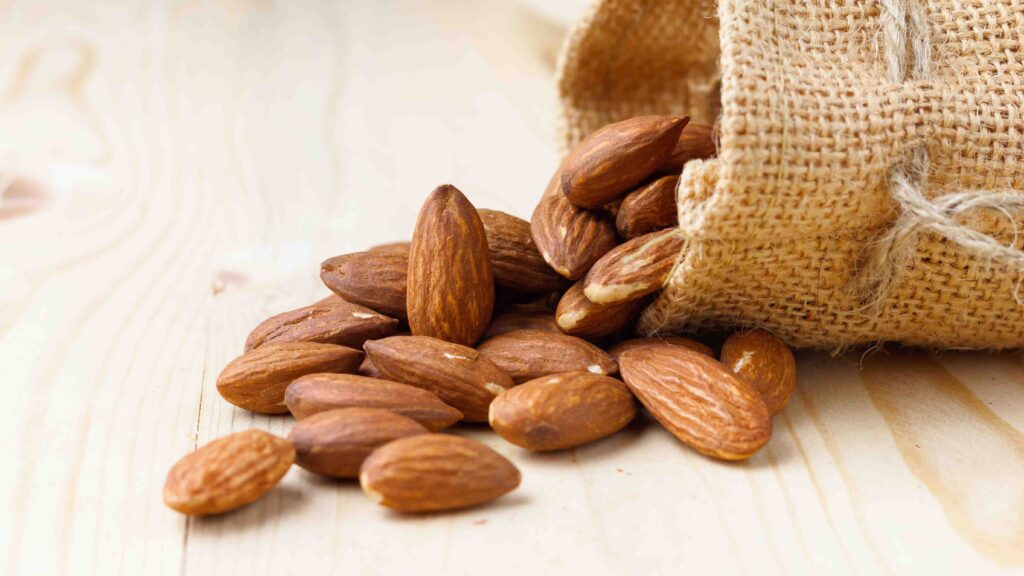
Incorporating almonds into our diet—whether in the form of slices, flour, paste, or whole nuts—is a simple way to enjoy a natural, versatile food that is full of benefits. And thanks to their balanced nutritional profile, versatility, and natural origin, almonds continue to be one of the most valuable ingredients in the food industry.
At Manolet Almonds, we work every day to offer almonds of the highest quality, grown with respect for the environment and the tradition that shapes our present and our future.
Sources used in preparing this article: European Food Safety Authority, Harvard T.H. Chan School of Public Health, Mayo Clinic, American Heart Association, United States Department of Agriculture, Journal of Nutrition, INC, and California Almond Board.