
Introducing our new visual identity
Discover our new visual identity, a redesign that celebrates 80 years of history with a more contemporary, versatile and authentic image that remains true to our origins.


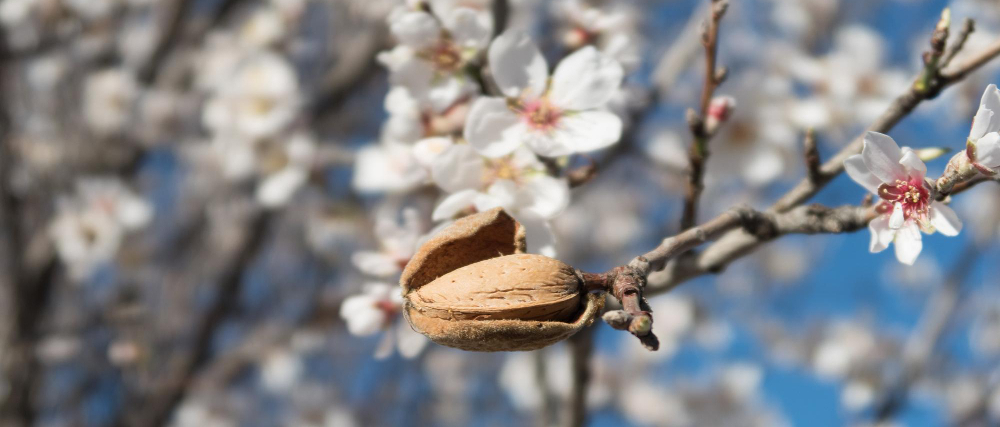
Climate change has become one of the main challenges for agriculture worldwide; and, of course, it also has a huge impact on the almond sector.
Rising temperatures, irregular rainfall, and more frequent extreme weather events are disrupting natural crop cycles. In the case of almond trees, these changes have a direct impact on both flowering and final yields each season.
Almond tree flowering is a process that is particularly sensitive to climatic conditions. Rising average temperatures during winter can cause early flowering, exposing the flowers to a greater risk of late frosts. A period of intense cold at a critical moment can significantly reduce production, even when the tree appears to be flowering abundantly.
In addition, the lack of cold winter hours—which is becoming increasingly common—can lead to irregular, uneven, or incomplete flowering, affecting fruit set and crop uniformity.
Climate change not only affects flowering, but also fruit development. Prolonged periods of drought, heat waves during key phases, or heavy rains at inappropriate times can reduce almond size, affect filling, and decrease yields per hectare.
The high temperatures recorded in recent years drastically reduce the amount of oxygen available in irrigation water and, consequently, in the soil, which has a very negative impact on crops.
In addition, water and heat stress weakens the tree, making it more vulnerable to pests and diseases, which adds new challenges to crop management and can increase production costs.
Given this scenario, adaptation has become essential to ensure the long-term viability of almond trees. Selecting more resistant varieties, adjusting agricultural calendars, efficient irrigation management, and soil care are key strategies for mitigating the effects of climate change.
Likewise, the use of more sustainable agricultural techniques contributes to improving the resilience of farms in the face of adverse conditions, promoting a balance between productivity and respect for the environment.
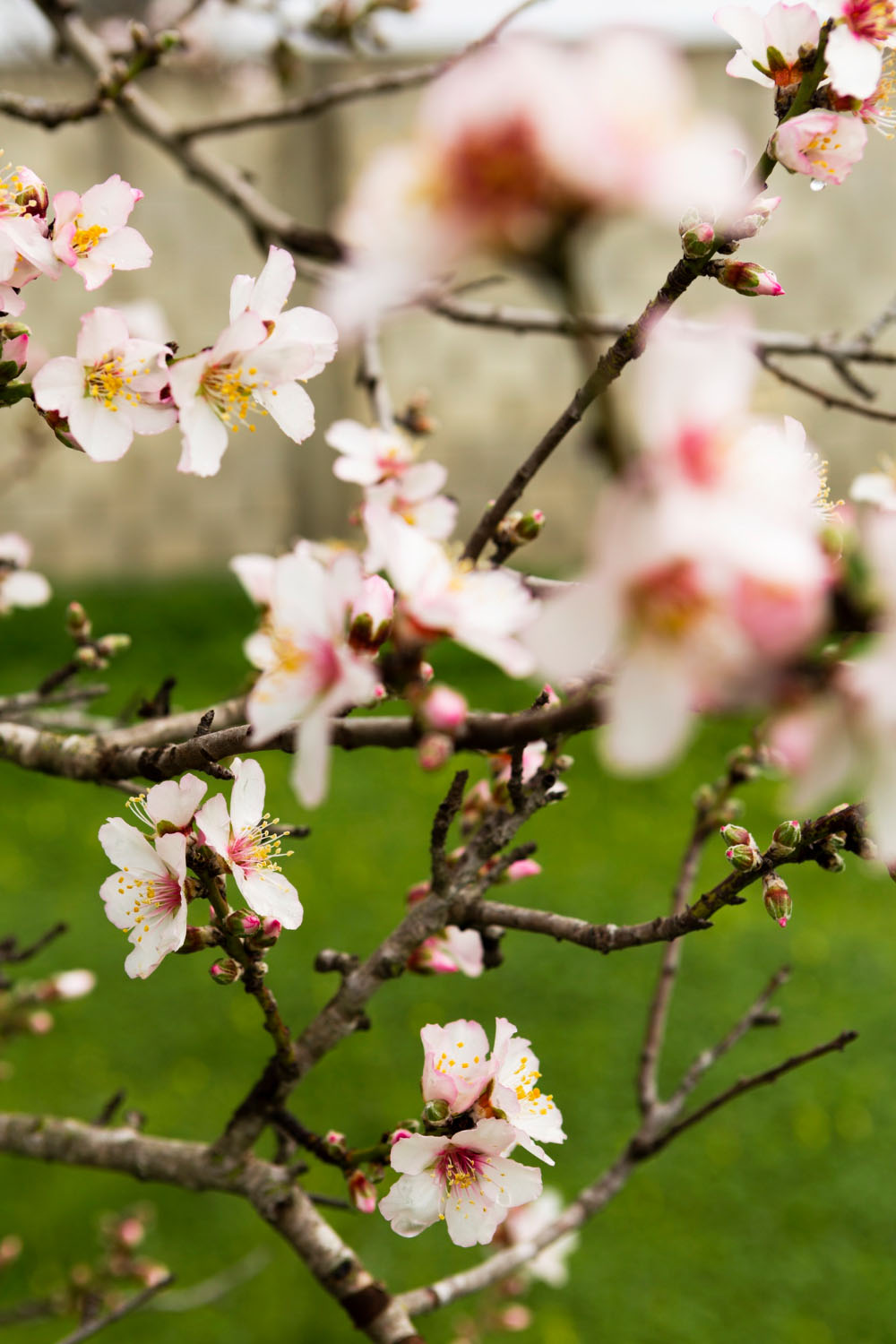
At Manolet Almonds, we are aware that climate change poses new challenges, but it also drives the evolution towards more responsible and prepared agricultural models.
Understanding how these changes affect flowering and yields is the first step toward making informed decisions and continuing to move toward sustainable agriculture that can adapt to the present without compromising the future of almond cultivation.
Discover our new visual identity, a redesign that celebrates 80 years of history with a more contemporary, versatile and authentic image that remains true to our origins.